
Fuse selection often focuses entirely on electrical ratings. Yet a fuse that cannot be mounted correctly, or that fits a base it was not designed for, can compromise the very protection it is meant to provide.
1. Mechanical Fit Is a Safety Issue
The fuse, base or holder must form a correct mechanical and electrical interface. Poor contact can cause local heating, while an incorrect fit can prevent the fuse from making reliable contact or being removed safely after operation.
2. Check the Full Interface
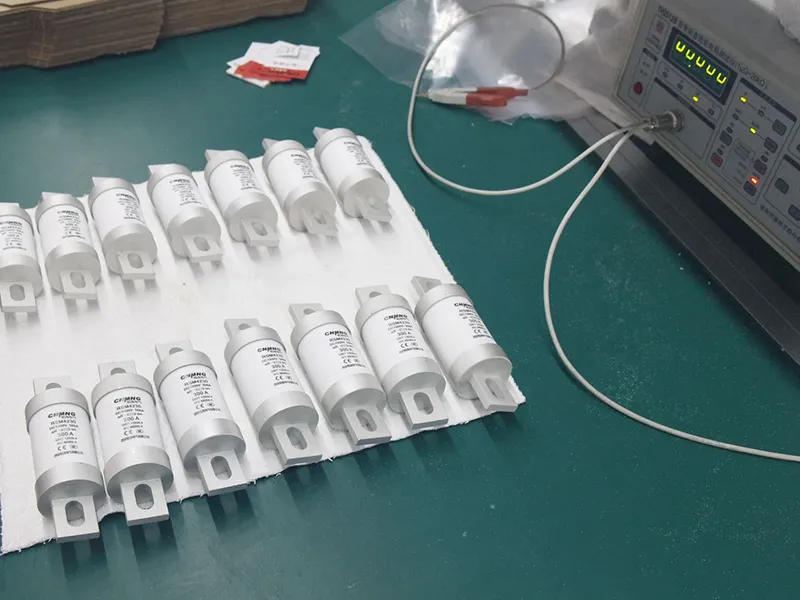
Confirm the fuse body format, overall length, terminal or blade type, and the compatible base or holder. For NH/NT knife fuses, for example, the fuse link and base sizes must match. Do not rely on the overall body shape alone.
3. Conductor and Clearance Considerations
Terminal type, conductor cross-section and available clearances all affect installation. The assembly must accommodate the fuse with adequate spacing for heat dissipation and safe handling, within the enclosure's physical constraints.
4. Verify Against Documentation
Always check the mechanical compatibility information in the product documentation for the exact fuse and base. Minggao's fuse holders and accessories are designed to match its fuse families; our team can help confirm the correct combination for an installation.