Understanding Fuse Breaking Capacity and System Fault Levels
Understanding fuse breaking capacity and specification.
Read Article
Explore practical engineering knowledge, application guidance and technical considerations for selecting and applying electrical fuses across modern power systems and industrial equipment.
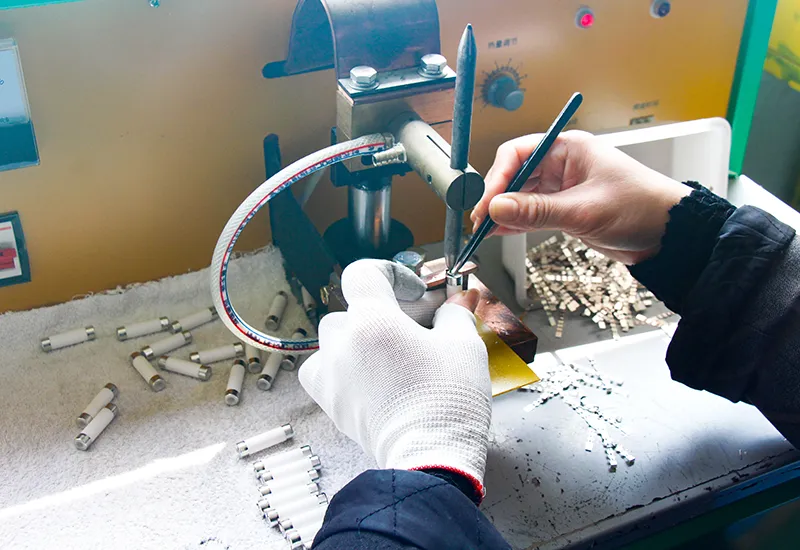
Selecting a fuse involves more than matching a current rating. System voltage, available fault current, operating conditions, circuit characteristics and installation requirements all influence the performance of an electrical protection solution.
Minggao Technical Insights brings these considerations together in one resource center. It is designed to help engineers, purchasing teams, equipment manufacturers and system integrators understand important fuse-related topics and make more informed technical decisions.
From photovoltaic strings and battery energy storage to EV charging equipment and industrial power systems, our technical content focuses on practical application requirements and protection principles.
Talk to an Engineer →
Browse key engineering subjects to understand fuse characteristics, protection requirements and application-specific selection factors.
Understand rated current, voltage, breaking capacity, time-current characteristics and coordination when selecting a fuse.
Explore PV string protection, DC circuit conditions, reverse-current risks and fuse selection for solar power systems.
Learn about battery circuit protection, high fault-current conditions and fuse considerations in energy storage applications.
Talk to an Engineer →Practical guides and application notes on fuse selection, standards and protection system design.
Understanding fuse breaking capacity and specification.
Read Article
Key considerations for selecting photovoltaic fuses.
Read Article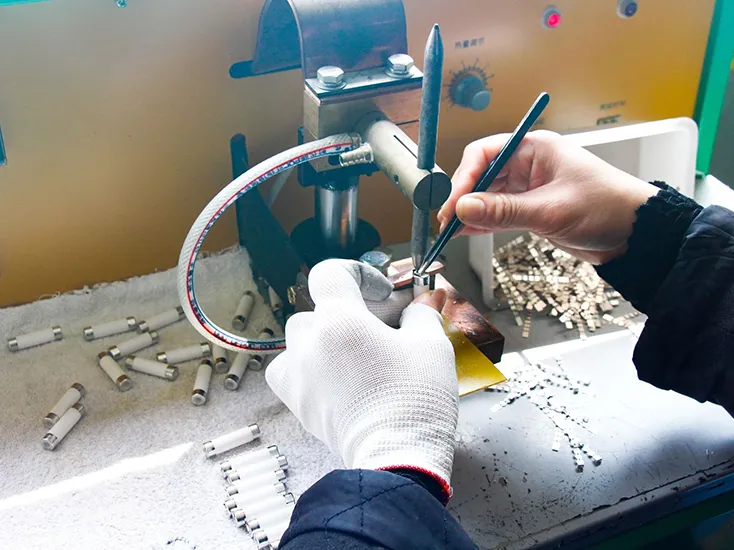
High voltage fuses for transformer protection.
Read Article
Selecting DC fuses for EV charging equipment.
Read Article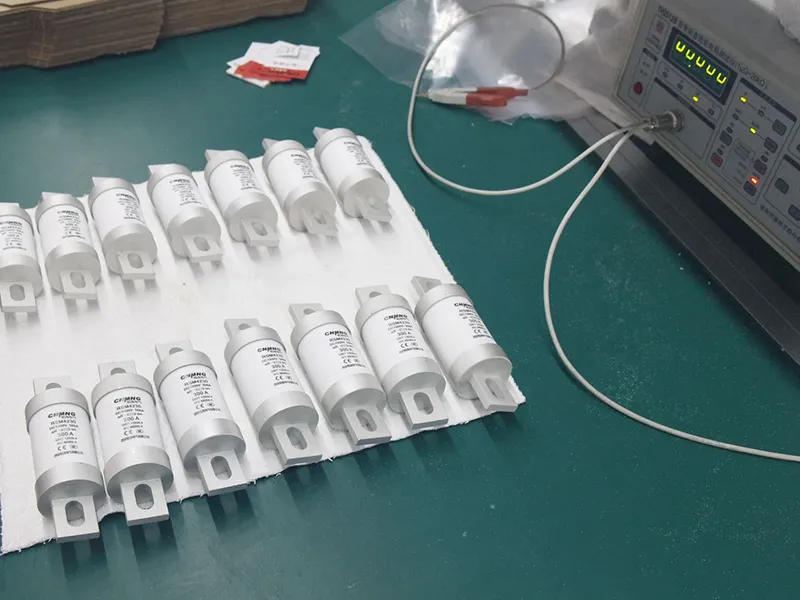
Fuse protection for ESS battery racks and DC bus circuits.
Read Article
A photo guide to PV fuses, holders and surge protection inside solar combiner boxes.
Read ArticleFuse performance must be evaluated against the requirements of the intended electrical system. Product specifications and applicable standards provide an important basis for engineering decisions.
Always confirm the relevant standard, product certification, operating limits and installation instructions for the specific application before selecting or installing a fuse.
Check rated voltage, rated current, breaking capacity, power dissipation and other published product characteristics.
Identify the standards and certification requirements relevant to the fuse type, equipment and target market.
Evaluate fuse characteristics alongside other circuit protection devices and the withstand capability of connected equipment.
Consider ambient temperature, mounting orientation, conductor sizing, enclosure conditions and manufacturer instructions.
Confirm that the selected fuse is suitable for the actual circuit configuration and expected operating and fault conditions.
Find answers to common questions about fuse selection, application requirements and the technical resources available from Minggao.
Share your electrical requirements with Minggao. Our team can help you review product options and identify the technical information needed for your application.
Share your voltage, current and application. Our team will help you select the right model, documentation and certification.
Send an Inquiry →Continue exploring Minggao products and resources.
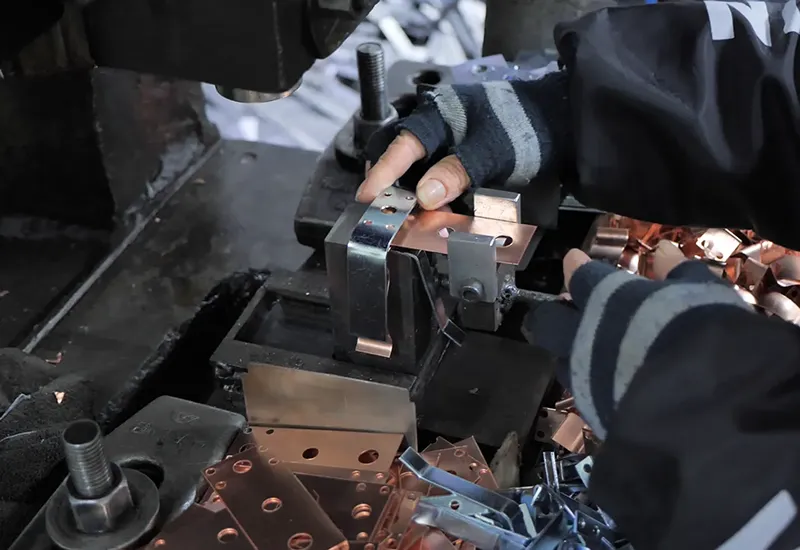
Our technical articles are written by engineers who design, test and manufacture fuse links every day.
See Our Factory →