
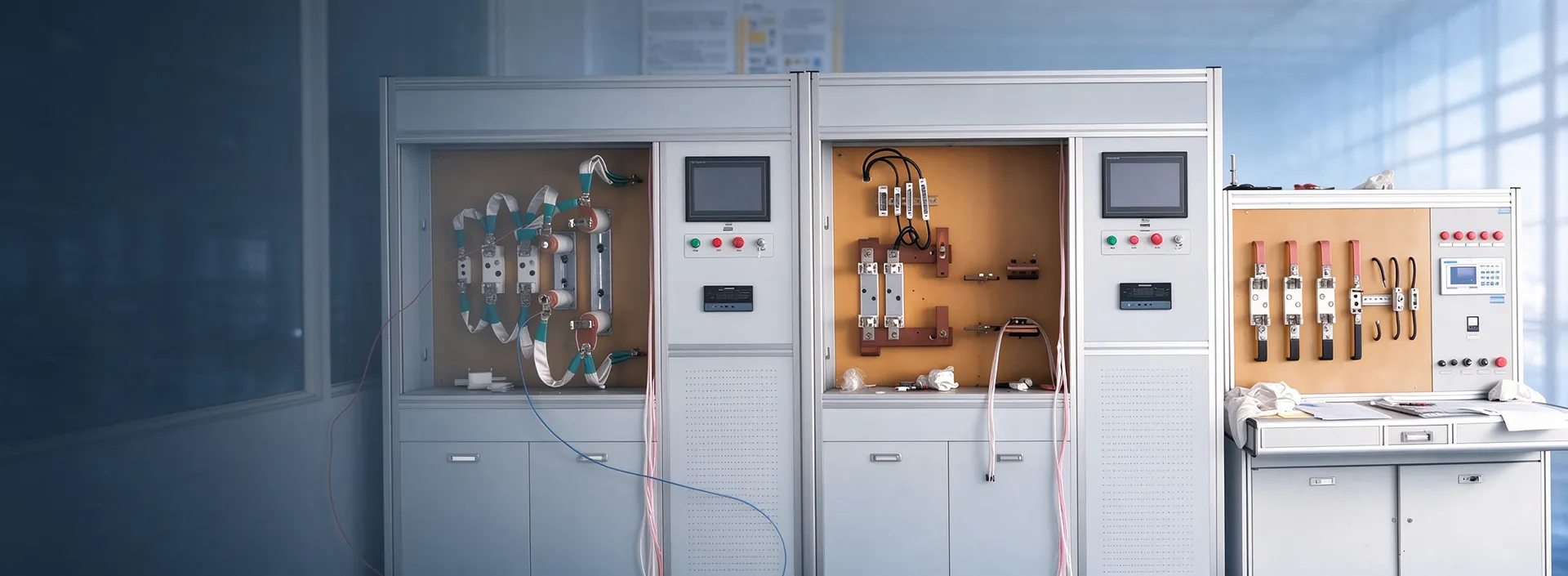
Battery energy storage systems combine high energy density with DC operating conditions that place specific demands on protective devices. Fuse selection for these systems requires a review of prospective fault current, conductor protection and coordination across the battery system.
1. Why Energy Storage Protection Deserves Attention
A battery energy storage system can deliver very high fault current into a short circuit. Unlike a conventional AC supply, a battery bank has low internal resistance and no natural current zero crossing, so a fault can persist until a protective device clears it.
Fuses used in battery systems must therefore be selected for the actual DC voltage, the available fault current and the energy let-through that downstream equipment can withstand.
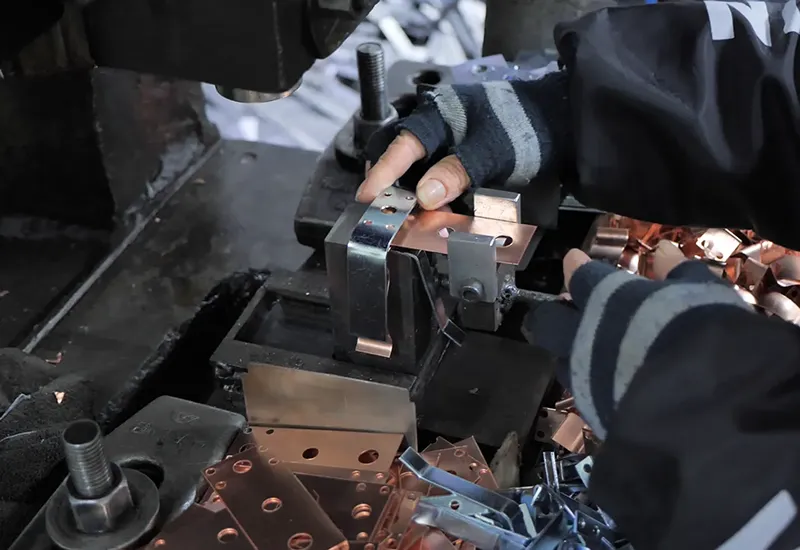
Fuses Built on Real Manufacturing Strength
Minggao Electric operates a 1,400+ m² owned facility with 10M+ annual fuse capacity, IEC-compliant testing and batch-level traceability serving 50+ countries.
About Minggao →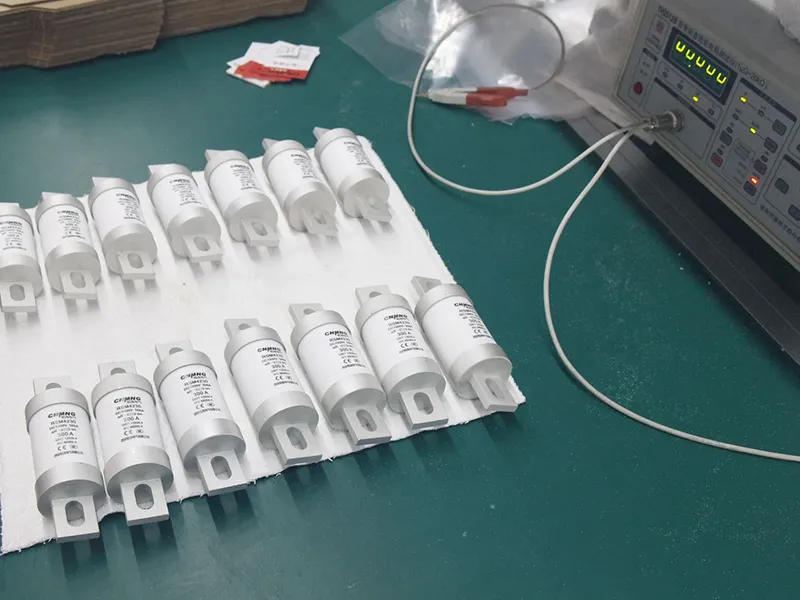


Need Help Selecting the Right Technical Articles?
Share your voltage, current and application. Our engineers will recommend the correct fuse and documentation.