Learn what the model, voltage, current, utilization category and breaking capacity tell you—and what to verify before ordering or replacing a fuse.
Key Takeaways
- Identify the full model, then check voltage, current, utilization category and breaking capacity together.
- A indicates current rating; kA commonly expresses breaking capacity. These are different quantities.
- Markings identify the product; selection also needs drawings, curves and operating conditions.
1. Where should you start?
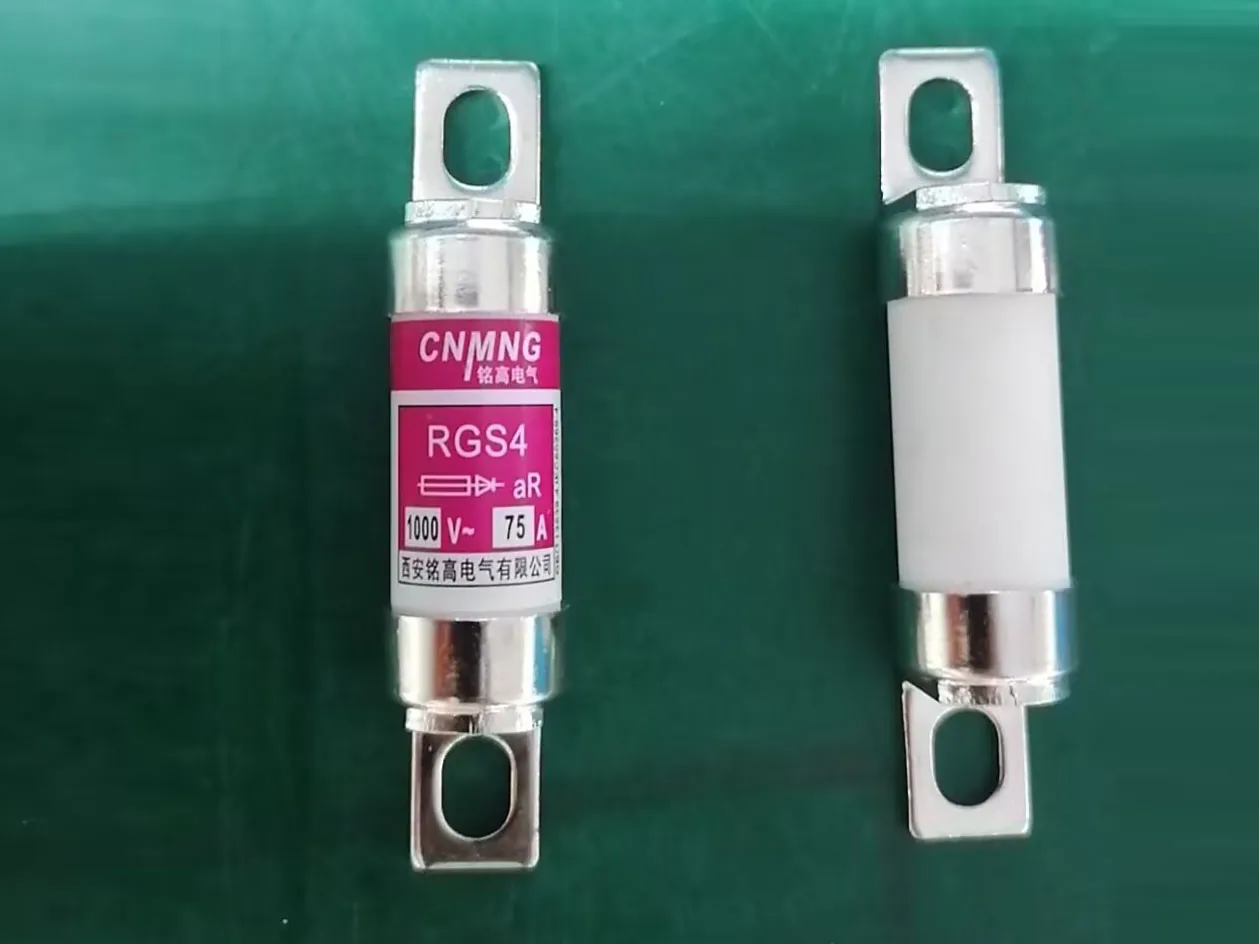
“I need a 100 A fuse” is usually not enough for an enquiry. The same current rating can serve different circuits, equipment and mounting arrangements. Start with a clear nameplate photograph and record these five items.
2. 1. Model: record the complete designation
The model is the starting point for finding documentation. Recording only “NT” or “RGS” can omit size, current or construction details. Keep every character and suffix, together with the manufacturer. Coding conventions differ, so do not infer all performance data from the letters alone.
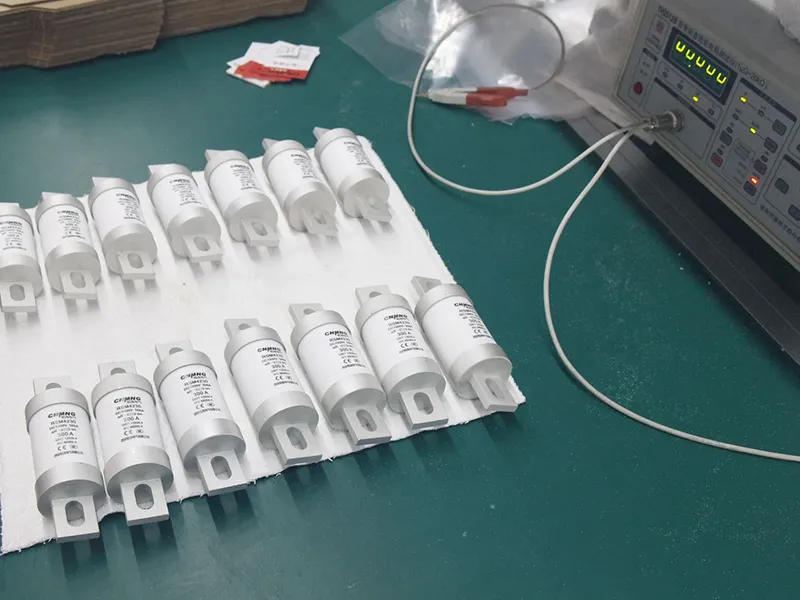
- Photograph the nameplate, complete fuse and both terminal ends.
- If markings are unclear, cross-check the equipment bill of materials, purchase record or manufacturer drawing.
3. 2. Voltage: AC/DC matters as much as the number
The voltage rating must cover the maximum operating circuit voltage under the applicable AC or DC conditions. A 500 V AC marking does not establish suitability for 500 V DC. For dual-rated products, check each set of ratings separately.
If DC suitability is not stated, consult the exact model’s datasheet. Do not convert an AC rating into a DC rating yourself.
4. 3. Current: 100 A is not an instant trip point
Rated current is a carrying-current specification established under stated conditions. Operating time during overcurrent comes from the time-current curve, not the ampere marking alone.
Enclosure temperature, cooling, holder and connections affect service conditions. Check continuous load, starting surges and manufacturer derating guidance. Investigate repeated fuse operation before changing the rating.
5. 4. Utilization category: more than operating speed
In the relevant IEC categories, lowercase g/a distinguishes breaking range and the following letters relate to duty. Equal current ratings do not make categories interchangeable. Use the exact model’s compliance information and technical data.
6. 5. Breaking capacity: kA is not load current
Breaking capacity must meet the prospective short-circuit current at the installation. In a hypothetical 100 A / 80 kA specification, 100 A is rated current and 80 kA is rated breaking capacity under the stated conditions—not a continuous current capability. These example values do not describe the pictured products.
Check the associated voltage, AC/DC duty and limitations. For partial-range fuses, also verify the minimum breaking current instead of looking only at the maximum kA value.
7. Putting it together: a worked marking example
Suppose a nameplate and its matching datasheet together state “Model ABC-00 / 100 A / 500 V AC / gG / 80 kA”. ABC-00 is a fictional model used only to explain the reading process. These values do not specify the pictured fuses or a Minggao product.
Use ABC-00 to find the exact documentation. The current rating is 100 A, the AC voltage rating is 500 V, gG identifies the relevant general-purpose full-range category, and 80 kA is the breaking capacity under the documented conditions. These facts work together; none substitutes for another.
8. Other markings worth recording
Space is limited, so information may appear on the front, back, end cap or packaging. A value missing from the front may be documented elsewhere. Find the matching datasheet rather than filling gaps with data from a similar model.
- Manufacturer and trademark identify the source and the correct documentation. Different manufacturers may use similar series names.
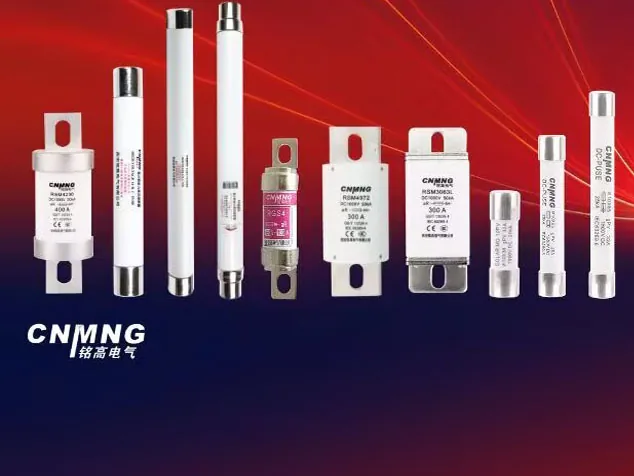
- Size markings, such as diameter × length on cylindrical fuses, help identification. Check what the dimensions include and the drawing’s measurement references.
- Record complete standard references, certification marks and traceable numbers, then verify which models and ratings they cover.
- Batch or date codes support traceability. Coding formats vary; not every number is an electrical rating.
- Striker or indicator information identifies accessories or operating features, not protection performance by itself.
9. Six common purchasing and maintenance mistakes
10. What else do you need?
- Dimensions and mounting: length, diameter, blades or hole spacing, and holder compatibility.
- Coordination: time-current curves and, for semiconductor protection, parameters such as total-clearing I²t.
- Application: equipment duty, maximum circuit voltage, load current, environment and prospective short-circuit current.
- Marking evidence: a standard number is not a third-party certificate; verify certification for the exact model using valid documents.
11. A more useful enquiry
Send the full model, clear nameplate and terminal photographs, key dimensions, application and quantity together. Flag unreadable information for technical review instead of guessing.
Minggao Electric can help review markings and application information. Reading the nameplate is the first step; final selection must also meet the equipment’s electrical and mounting requirements.