
The build-out of electric vehicle charging infrastructure — particularly high-power DC fast chargers — is creating new requirements forcompact, reliable overcurrent protection inside charging equipment.
1. The DC Side Is the Critical Circuit
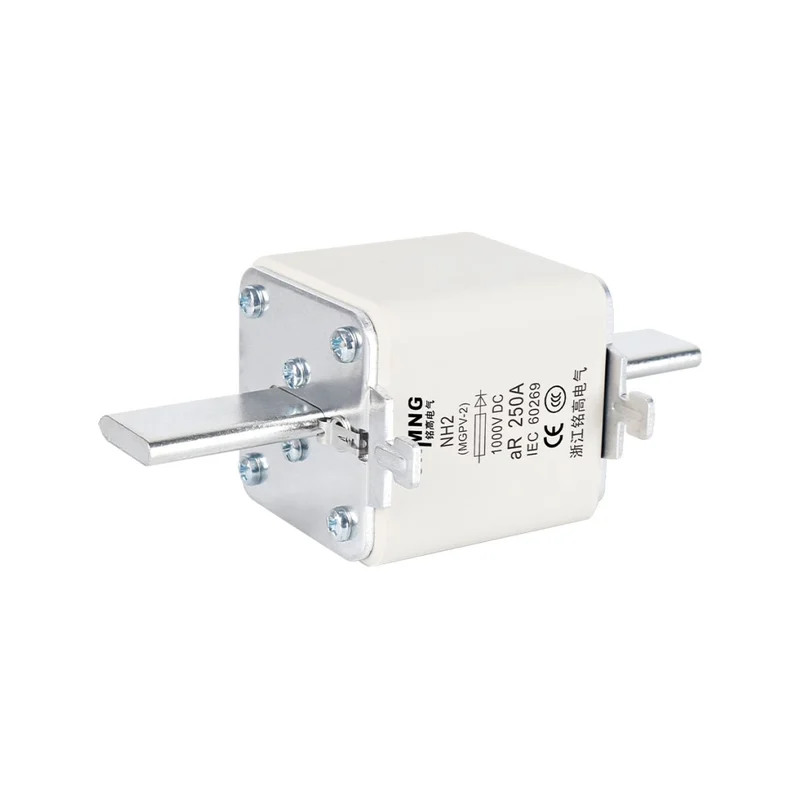
In a fast charger, the DC link between the power converter and the vehicle presents the key protection challenge. DC interruption is more demanding than AC because the current has no natural zero crossing, so the fuse must be explicitly rated for the DC voltage and fault level involved.
2. Space and Thermal Constraints
Charging cabinets pack high power into limited space. Compact fuse formats with low power loss are preferred, but the selection must still satisfy voltage, current and breaking-capacity requirements. Thermal management inside the enclosure must be considered alongside the fuse rating.
3. Coordination With Power Electronics
Semiconductor devices in the charger are sensitive to let-through energy. Fuse selection should account for the withstand capability of these components and be coordinated with other protective devices in the system.
4. Verifying the Final Choice
Charging designs vary widely, so there is no universal fuse. The exact model's ratings must be confirmed against the latest data sheet for the intended circuit. Minggao's EV charging fuse family is intended for protection in charging equipment; our engineering team can help review the relevant parameters.