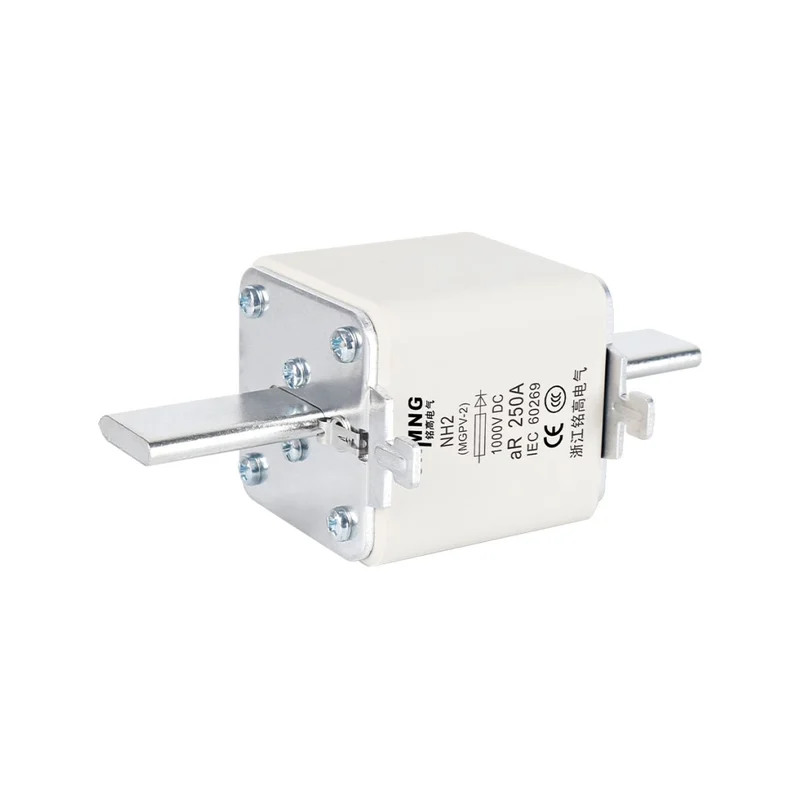

Breaking capacity is one of the most important — and most misunderstood — ratings on a fuse. It describes the maximum fault current the fuse can safely interrupt under specified conditions, and it must be matched to the system it protects.
1. What Breaking Capacity Means
Breaking capacity is the highest current a fuse can interrupt without failing dangerously. It is not the same as the fuse's rated current: a small fuse can have a very high breaking capacity, which is exactly what allows it to clear a large fault safely.
2. Determining the Prospective Fault Current
The prospective short-circuit current is the current that would flow if the circuit were shorted at the fuse location. It depends on the source, transformer impedance, cable runs and system configuration, and must be derived from system design information — not estimated from load current.
3. Voltage and AC/DC Matter
Breaking capacity is voltage-dependent and differs between AC and DC. A rating established under AC conditions cannot be assumed to apply to a DC circuit. Always check the published breaking capacity at the actual system voltage and current type.
4. Applying the Rating in Practice
Compare the fuse's rated breaking capacity with the calculated prospective fault current, with an appropriate margin, in the current product documentation. Minggao's fuse ranges publish breaking-capacity data by voltage and current type; our team can help review the figures for a specific circuit.