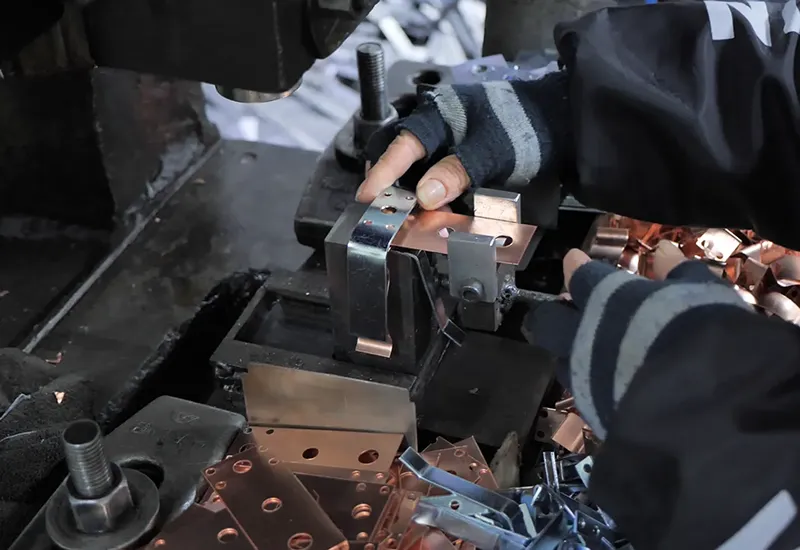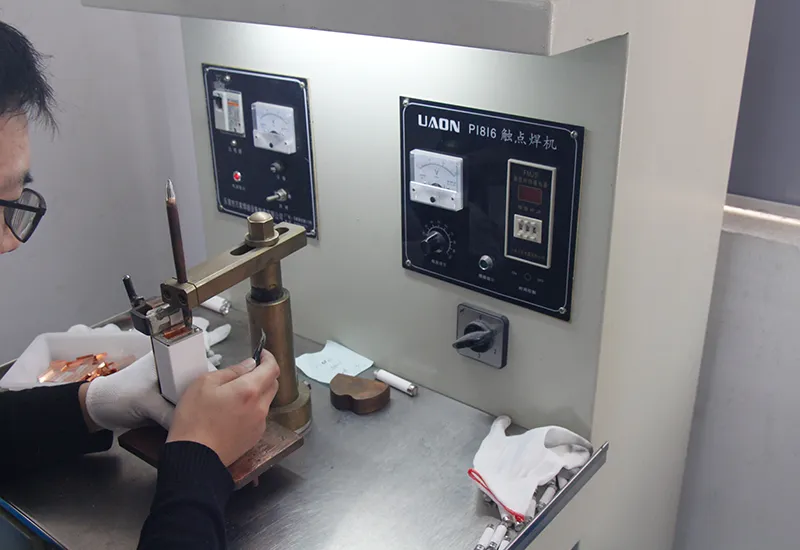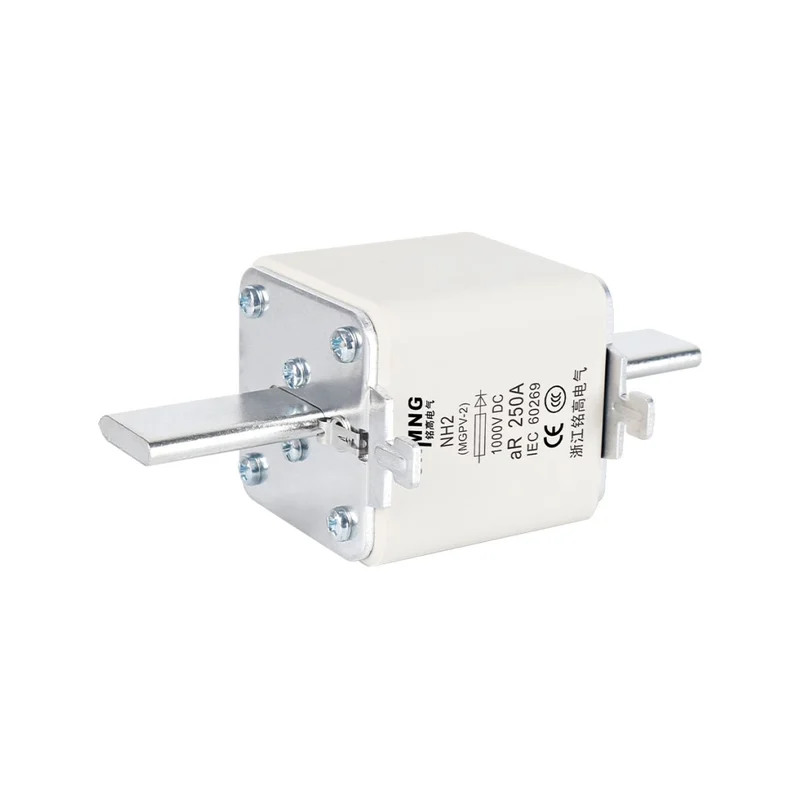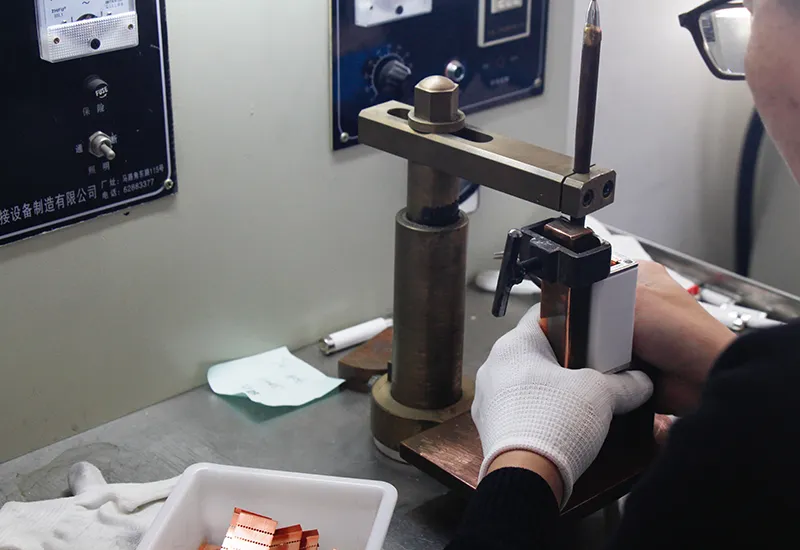
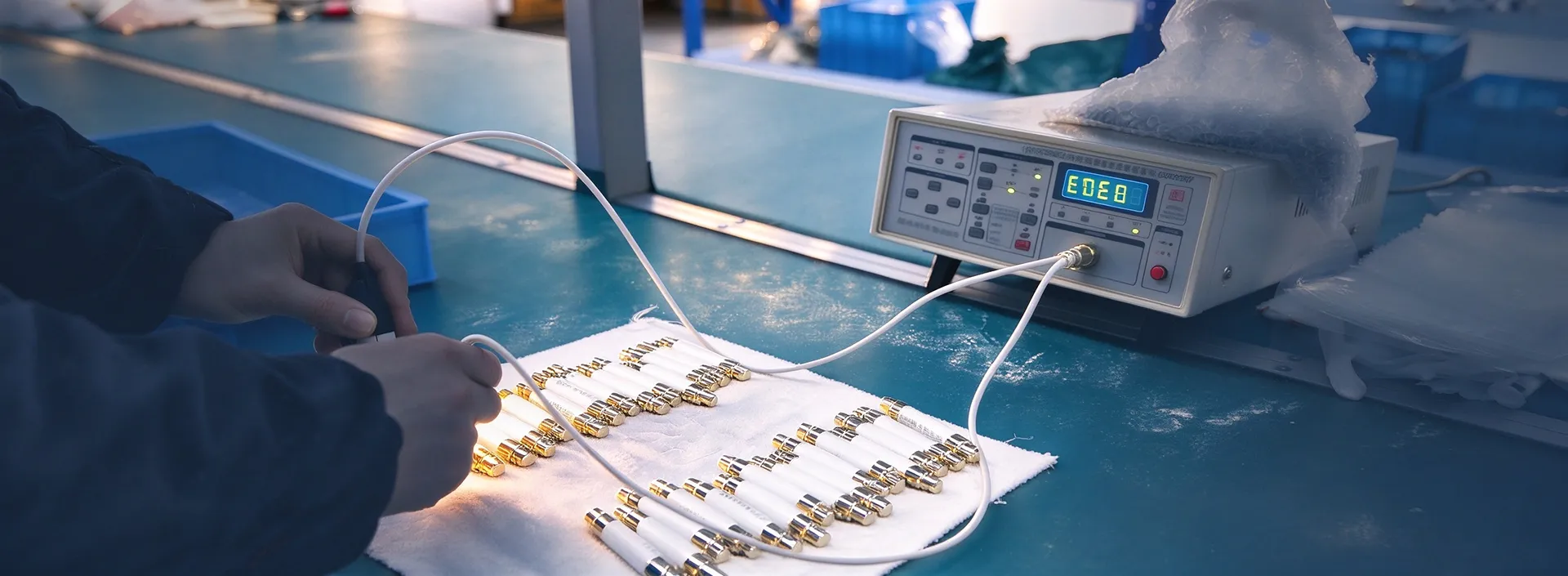
A fuse is a safety device, so the confidence a designer places in it rests on how consistently it is manufactured and verified. Understanding what goes into quality control helps explain why two fuses with similar labels can behave very differently.
1. Why Consistency Matters
A fuse's performance depends on the precise characteristics of its element and construction. Small variations can shift the time-current curve or breaking behavior, so manufacturing consistency is central to reliable protection.
2. In-House Electrical Testing
Testing across AC and DC conditions verifies that products meet their published ratings — breaking capacity, time-current behavior and voltage ratings. Test benches allow these characteristics to be confirmed rather than assumed.
3. Batch-Level Traceability
Batch traceability links each product to its production run and test records. This makes it possible to identify and isolate any deviation, and gives customers confidence that delivered products match their documentation.
4. Standards and Documentation
Compliance with applicable standards and accurate technical documentation complete the picture. When reviewing a supplier, look for published test data, certificates and clear ratings. Minggao operates in-house testing and batch-level traceability as part of its quality management approach; our factory and quality processes can be explored through the site's factory gallery and quality pages.