In a well-designed protection system, a fault should be cleared by the device closest to it — not by an upstream device that cuts power to a wider area. That property is called selectivity or discrimination, and it is central to reliable distribution.
1. What Selectivity Means
Selectivity ensures that the protective device nearest a fault operates first, isolating only the affected circuit. Good selectivity improves uptime and makes fault location and maintenance safer and faster.
2. Using Time-Current Curves
Coordination is checked by overlaying the time-current characteristics of upstream and downstream devices. If the curves are properly separated across the full range of fault currents, the downstream device will clear the fault before the upstream one operates.
3. Fuse-to-Fuse and Fuse-to-Breaker Coordination
Fuses can coordinate with other fuses or with circuit breakers. In each case, the let-through energy and operating times must be compared across the relevant fault-current range, not just at a single point.
4. Verifying the Design
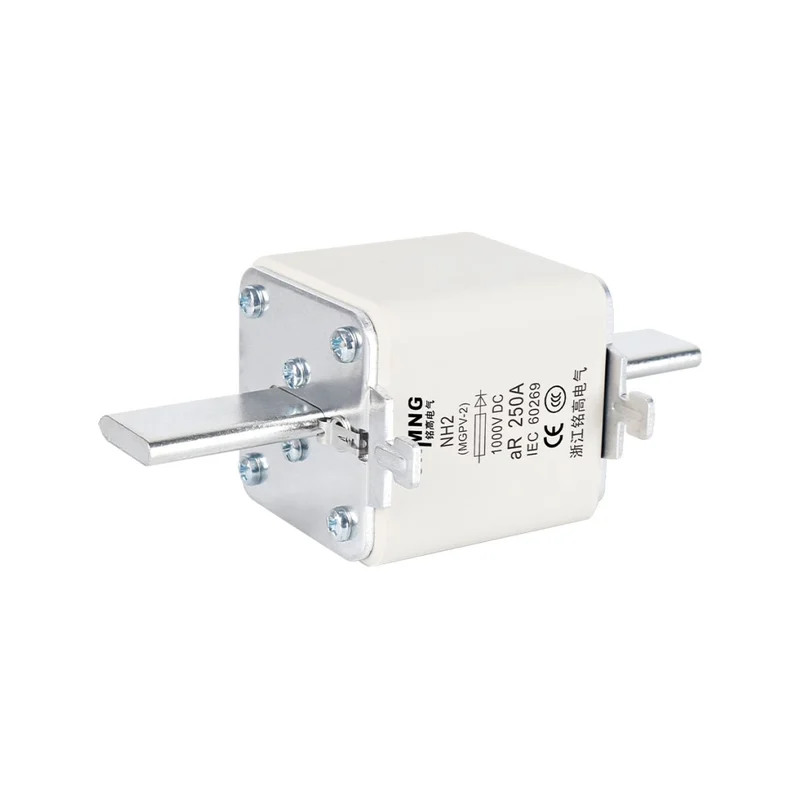
Coordination is a system-level exercise and should be verified against current manufacturer data for every device involved. Minggao provides time-current and I²t data for its fuse families to support coordination studies; our engineers can help interpret this data for a given application.